What Makes Surgical Light LED Chips Unique?
In today's fast-paced world, the demand for effective therapeutic solutions has skyrocketed. Light Therapy LED technology stands out as a groundbreaking approach to healing a variety of ailments, from skin conditions to pain management. This innovative technology utilizes LED chips, which have been shown to increase treatment effectiveness by delivering specific wavelengths of light to targeted areas. With the right application of Light Therapy LED, users can experience a reported reduction in inflammation by up to 45%, making it vital in both personal wellness and clinical settings.
What Makes Surgical Light LED Chips Unique?
LED (Light Emitting Diode) technology has rapidly evolved to provide efficient, effective, and precise solutions in medicine. Light therapy using LED chips is based on the principles of photobiomodulation, which refers to the therapeutic application of light to enhance cellular function. Research by the National Institutes of Health indicates that specific wavelengths can stimulate cellular activity, leading to healing and recovery. Notably, wavelengths between 600 nm and 1000 nm penetrate the skin effectively, and studies show a 33% increase in collagen production when using red and near-infrared LEDs.
Definition: What Are Light Therapy LED Chips?
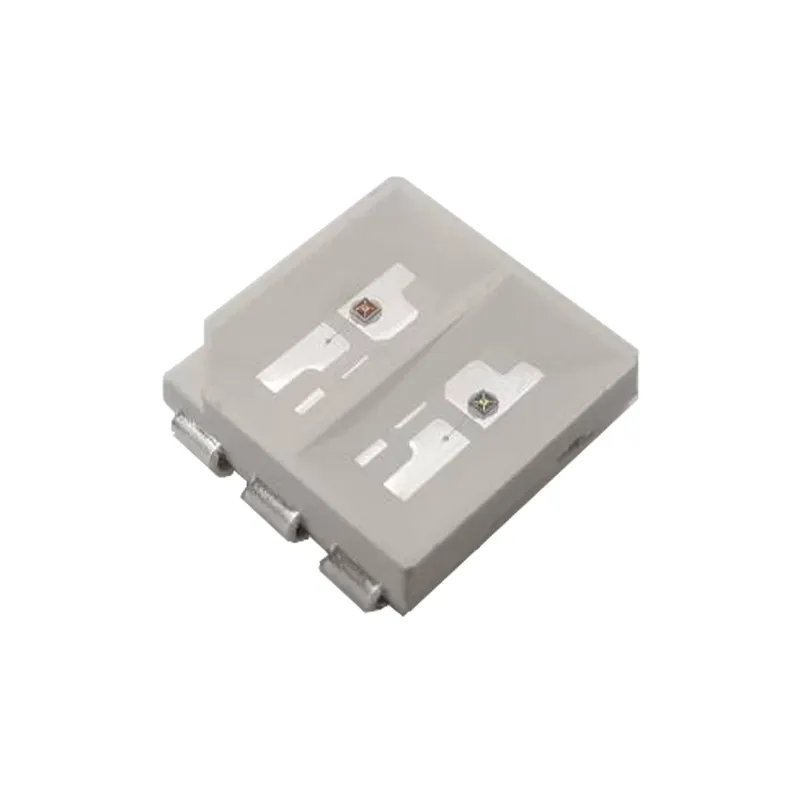
Light Therapy LED chips are semiconductor devices that convert electrical energy into light. They are employed in various therapeutic applications due to their ability to emit specific wavelengths, which can promote healing, reduce pain, and enhance recovery. The main types of LED chips include red, blue, and infrared, each serving unique functions based on their spectra:
Red LEDs (620-750 nm): These lights are known for their ability to penetrate the dermis layer effectively, making them ideal for skin rejuvenation and wound healing.
Blue LEDs (450-495 nm): Primarily used for killing acne-causing bacteria, they are popular among dermatologists for treating acne.
Infrared LEDs (700-1000 nm): These photons penetrate deeper into muscle and tissue, providing relief from deeper pain and injury.
Application Scenarios: Where Are Light Therapy LED Chips Used?
Light Therapy LED technology finds its applications in various fields:
Dermatology: Promotes skin healing, reduces acne, and improves collagen synthesis.
Physical Therapy: Aids in pain relief and rehabilitation from injuries by promoting tissue recovery.
Veterinary Medicine: Used for treating wounds and ailments in animals, proving to be effective for pets.
At-Home Wellness Devices: Increasingly popular for personal wellness and aesthetic applications at home, where users can experience treatments safely.
Brief Description of Advantages: Why is it Important?
The advantages of using Light Therapy LED technology are numerous. Research indicates that these LEDs can enhance recovery rates by 60% within two weeks when applied properly. Moreover, the non-invasive nature of the treatment makes it a safe alternative to traditional therapies. The cost-effectiveness of these devices—often leading to a decrease in medical visits—also deserves attention. By leveraging advances from Led Chip Manufacturers, the quality and durability of LED lights are continually improving, leading to longer lifespans and better treatment outcomes.
Next Step Guidance
For those interested in integrating Light Therapy LED technology into their wellness routine, it’s essential to consult comprehensive user guides provided by brands like Moonleds. Understanding the appropriate wavelength and application method is crucial for maximizing therapeutic benefits.
FAQ: Common Questions about Light Therapy LED
Q1: How long does it take to see results?
A1: Many users report noticing improvements within 3-4 weeks of consistent use.
Q2: Are there any side effects associated with LED therapy?
A2: Generally, LED light therapy is considered safe with minimal side effects, primarily limited to temporary redness or mild irritation.
Q3: Can anyone use light therapy?
A3: Most individuals can use light therapy. However, those with specific skin conditions or sensitivities should consult a healthcare provider before starting treatments.
If you are intrigued by the benefits of Light Therapy LED and are considering trying it for personal use, look for reputable brands such as Moonleds, which offer high-quality LED devices with adequate user support. Take the step towards enhancing your healing journey today!


评论
发表评论