How to Select LED Chips for High-Bay Fixtures?
Choosing the right LED Chips for high-bay fixtures is a common challenge for facility managers and lighting designers. Many face issues like excessive energy costs, insufficient illumination, and short lifespan of existing light sources. Real-world scenarios, such as a warehouse struggling with visibility and worker safety due to inadequate lighting, highlight the critical need for effective LED solutions. This guide aims to illuminate the decision-making process, addressing vital needs such as energy efficiency, brightness levels, and longevity to enhance your lighting projects with products like Moonleds.
Understanding LED Chip Types and Their Applications
Before diving into selection, it's essential to familiarize yourself with the various types of LED chips available, including:
- Cob Chips (Chip on Board)
- SMD Chips (Surface Mounted Device)
- High-Power Chips
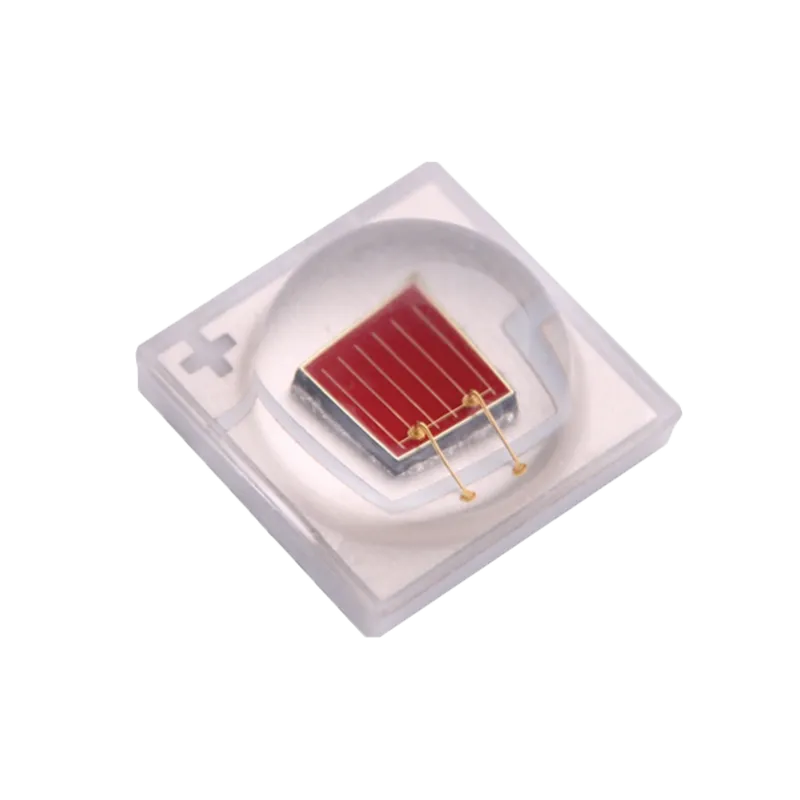
According to industry data, Cob chips offer superior thermal management and a brighter output, making them ideal for high-bay settings, while SMDs provide versatility in design with lower power consumption.
Real-World Example: Warehouse Lighting Overhaul
Consider the case of a logistics warehouse that switched to Moonleds high-bay fixtures fitted with Cob LED chips. With an average requirement of 20,000 lumens for optimal visibility, they replaced their outdated HPS fixtures that averaged 150 watts each. By using Moonleds’ 100-watt Cob LEDs, they improved illumination by 50% while also reducing energy bills by approximately 40%, translating to significant annual savings.
Requirements for Selecting LED Chips
To choose the right LED chips, there are several prerequisites you should consider:
Energy Efficiency: Look for chips with a high lumen per watt ratio. The current market average is 130 lumens per watt.
Color Temperature: Select between warm white (3000K) to cool white (5000K), depending on your ambiance preferences.
Longevity and Warranty: A minimum lifespan of 50,000 hours is standard for quality LED chips.
Step-by-Step Guide to Selecting LED Chips
Follow these actionable steps to select the most suitable LEDs for your high-bay fixtures:
Assess Your Lighting Needs: Determine the number of fixtures needed and the required lumen output based on your space (e.g., warehouses usually need between 15 to 30 footcandles).
Calculate Energy Needs: Evaluate your existing fixture wattage against the potential savings with LED chips, considering an average of 40% reduction in energy consumption.
Evaluate Chip Specifications: Choose chips that meet your desired brightness and color temperature criteria.
Review Lifespan Data: Opt for LED chips rated for at least 50,000 hours to ensure a long-lasting investment.
Check for Certifications: Select chips with recognized certifications like UL, DLC, and Energy Star for quality assurance.
Common Errors in LED Chip Selection and Solutions
Even seasoned buyers can make errors in selecting LED chips. Here are common pitfalls:
Ignoring Lumen Output: Choosing chips based solely on power consumption instead of actual lumen output can lead to inadequate lighting. Always verify the lumen per watt rating.
Overlooking Thermal Management: Inadequate heat dissipation can short circuit your chips. Ensure appropriate fixture design that supports cool operation.
Neglecting Future Needs: Plan for potential expansion or changes in usage. Consider chips that are adaptable for various conditions.
Summary and Suggestions
In summary, selecting LED chips for high-bay fixtures requires a thoughtful approach that encompasses energy efficiency, brightness, color temperature, and lifespan. User cases like that of the logistics warehouse underscore the transformative impact of making informed choices. Implementing trusted brands like Moonleds can further enhance your lighting solutions. Measure performance, compare options, and ensure that your selection aligns with both immediate needs and future goals.
Frequently Asked Questions (FAQ)
What is the lifespan of LED chips?
Quality LED chips typically last around 50,000 hours, considerably more than traditional lighting options like HPS or fluorescent bulbs.
How do I determine the right lumen output for my space?
The required lumen output depends on the type of activity in the space. For warehouses, aim for 15 to 30 footcandles, translating to roughly 20,000 lumens for a standard high-bay fixture setup.
Can I retrofit existing fixtures with new LED chips?
Yes, many LED chips are designed for retrofitting existing fixtures. Consult a lighting expert to ensure compatibility and to optimize performance.


评论
发表评论